
How Parents Can Support Their Children During Exam Periods

At Citytop Schools, we believe education is a partnership between school and home. As exams approach, children often feel stressed and anxious, which can affect their performance. During this time, parental involvement is essential to help them feel prepared, confident, and motivated towards their examination. Here are a few tips we believe would help in assisting your child’s preparation; Create a Calm and Conducive Study Space Design a quiet, comfortable, and organized study area specifically for your child. This space should be free from distractions such as television, games, and loud noises. Providing a good chair and table, adequate lighting, and necessary materials like textbooks and stationery can make a big difference. A dedicated study zone helps children focus, develop discipline, and associate the space with learning. Help Plan a Balanced Study Schedule Sit down with your child to create a clear timetable that includes study periods, breaks, meal times, and relaxation. This helps them manage their time wisely and prevents last-minute cramming. Balance is key — children should still enjoy moments of play and relaxation to keep their minds refreshed. Encourage them to start early preparation and break large topics into manageable parts. Prioritize Healthy Eating and Rest Proper nutrition fuels the brain and supports concentration. Offer meals rich in fruits, vegetables, protein, and whole grains to boost their memory and energy levels. Avoid excessive sugary snacks or drinks that can cause energy crashes. Equally important is ensuring they get enough sleep each night, as adequate rest enhances focus, mood, and overall academic performance. Offer Encouragement and Emotional Support Children may fear exams due to past experiences or fear of failure. Reassure them that exams are opportunities to demonstrate what they have learned, not something to dread. Celebrate their dedication and hard work, regardless of the final grades. Show patience, speak positive words, and listen to their worries without judgment. Knowing they have your support can reduce anxiety and build self-confidence. Stay Involved — Without Adding Pressure Regularly check in on their progress and offer to help with revision or practice tests. Ask them if they need extra explanations or assistance with certain subjects. However, avoid putting unnecessary pressure or comparing them to other children. Each child has a unique learning pace and style, and feeling loved and supported motivates them to perform better. Promote Relaxation and Balance Help your child incorporate relaxation techniques into their routine, such as deep breathing exercises, stretching, or light walks. Encourage hobbies and fun activities to give their minds a break. A well-rounded routine keeps them motivated, reduces stress, and helps them stay energized for study sessions. At Citytop Schools, we believe every child can achieve great things with the right guidance and support. By working together, parents and the school can create a nurturing environment where children feel valued and ready to succeed. Let us continue to encourage our children, reminding them that their mental and emotional well-being is just as important as academic achievement.
Bullying: Its Causes and How to Stop It

Bullying is a silent crisis that affects many students across the globe—emotionally, mentally, and sometimes even physically. At Citytop School, we believe that every child deserves to learn in a safe, respectful, and nurturing environment. Understanding the causes of bullying and how to effectively address it is a crucial step in protecting our children and promoting a culture of kindness. What is Bullying? Bullying is intentional, repeated aggressive behavior that involves a power imbalance. It can be physical, verbal, social, or even digital (cyberbullying). It causes lasting harm not just to the victim but often to the bully and bystanders as well. Bullying is a repeated and intentional misuse of power—whether physical, verbal, social, or psychological by an individual or group towards another person or group. It involves an imbalance of power where the perpetrator seeks to control, intimidate, or harm the target. Bullying can take many forms: physical aggression, name-calling, exclusion, spreading rumors, threats, or cyber-attacks. It doesn’t always happen in obvious ways. Sometimes, bullying is subtle like persistent mockery, silent treatment, or manipulation and can be just as damaging as overt abuse. What makes bullying especially harmful is its long-term impact on a person’s mental, emotional, and social well-being. It affects not only the victim but also the bully and those who witness it. In a school setting, bullying undermines learning, breaks trust, and creates an unsafe environment for everyone. Common Causes of Bullying The Effects of Bullying Bullying can leave deep emotional scars–these scars are caused by the the pain inflicted on them as a result of bullying. Victims may experience anxiety, depression, low self-esteem, and academic struggles. Long-term effects can extend into adulthood if not addressed early. Children who are known to be quiet and not outgoing/outspoken are usually the ones prone to be victims of bullying. It thereby affects their emlotional well-being, leading to withdrawal symptoms. How to Stop Bullying – Citytop’s Approach At Citytop School, we are committed to creating a safe learning environment through: What Parents Can Do Bullying is not just a school issue—it’s a community issue. When we work together—educators, parents, and students—we can build a culture where respect and kindness are the norm. At Citytop School, we go beyond academics to ensure that every child feels seen, safe, and supported. By identifying the root causes of bullying and taking proactive steps, we can raise confident, compassionate leaders for tomorrow. Together, we can stop bullying before it starts.
Learning Goes Digital: What Every Parent Should Know

It’s another exciting week at Citytop Schools, and today we’re shedding light on a topic that continues to generate conversations among educators and parents alike—the use of gadgets in children’s learning. While it’s true that excessive or unmonitored gadget use can have negative effects, when used intentionally and under proper guidance, gadgets can significantly enrich a child’s educational experience. As parents and educators, it’s our responsibility to create structured guidelines for how children engage with technology. This includes setting time limits, monitoring content, and ensuring devices are used primarily for educational development. Here are several educational benefits of gadgets when used appropriately: Research and Information Literacy Children learn to explore the internet for knowledge, using tools like search engines and AI-powered platforms. This builds their information literacy—the ability to find, evaluate, and use information effectively. ✅ Tip: Encourage your child to use these tools only after they’ve attempted tasks on their own, fostering independent thinking. Problem-Solving and Critical Thinking Educational games and apps such as Chess, Scrabble, Sudoku, and logic puzzles challenge the brain, improving logical reasoning and decision-making. These skills are essential for developing future-ready leaders. Digital Literacy As the world becomes increasingly digital, early exposure helps children become familiar with basic tech skills—typing, navigating interfaces, using educational apps—which are vital in the 21st-century learning environment. Interactive and Visual Learning Gadgets support multimedia learning — videos, animations, and simulations can explain complex concepts more clearly than text alone. Visual aids make lessons more interesting and easier to remember. Development of Digital Skills Using gadgets helps students develop critical 21st-century skills such as typing, researching online, using productivity software, and navigating digital tools — all essential for future careers.Learning Anytime, AnywhereWith gadgets, learning isn’t restricted to the classroom. Students can study at home, on trips, or anywhere with an internet connection. This flexibility encourages continuous learning beyond school hours. Instant Feedback and Assessment Educational apps and online quizzes provide immediate feedback, helping students understand their mistakes and correct them on the spot. Teachers can also track progress and adjust instruction accordingly. Encourages Independent Learning and Responsibility When used appropriately, gadgets encourage students to take charge of their learning — setting goals, managing their time, and exploring topics they are passionate about. Educational Games and Motivation Educational games and gamified apps make learning fun and motivating. They can improve critical thinking, problem-solving, and even social skills when played collaboratively. Supports Students with Special Needs Gadgets offer assistive technologies like text-to-speech, speech-to-text, magnification, or specialized learning apps that help students with disabilities learn more effectively. While gadgets have many educational benefits, it’s crucial to guide students on balanced use — combining screen time with physical activities, social interactions, and offline learning to support overall development.
WHAT TYPE OF LEARNING WILL SHAPE YOUR CHILD’S FUTURE?

Did you know that over 70% of what shapes a child’s success in life happens outside the textbook? In today’s world, academic knowledge is important, but it’s not enough. Children need critical thinking, confidence, creativity, emotional intelligence, and life skills to truly thrive. At Citytop school, we understand this. That’s why our approach combines strong academics with: We don’t just prepare students for exams—we prepare them for life. If you’re looking for a school that teaches your child how to think, not just what to think, then we invite you to discover what makes Citytop school different. Enrollment is now open. Let’s build a brighter future for the children together.
How to Balance Fun and Studies in Children
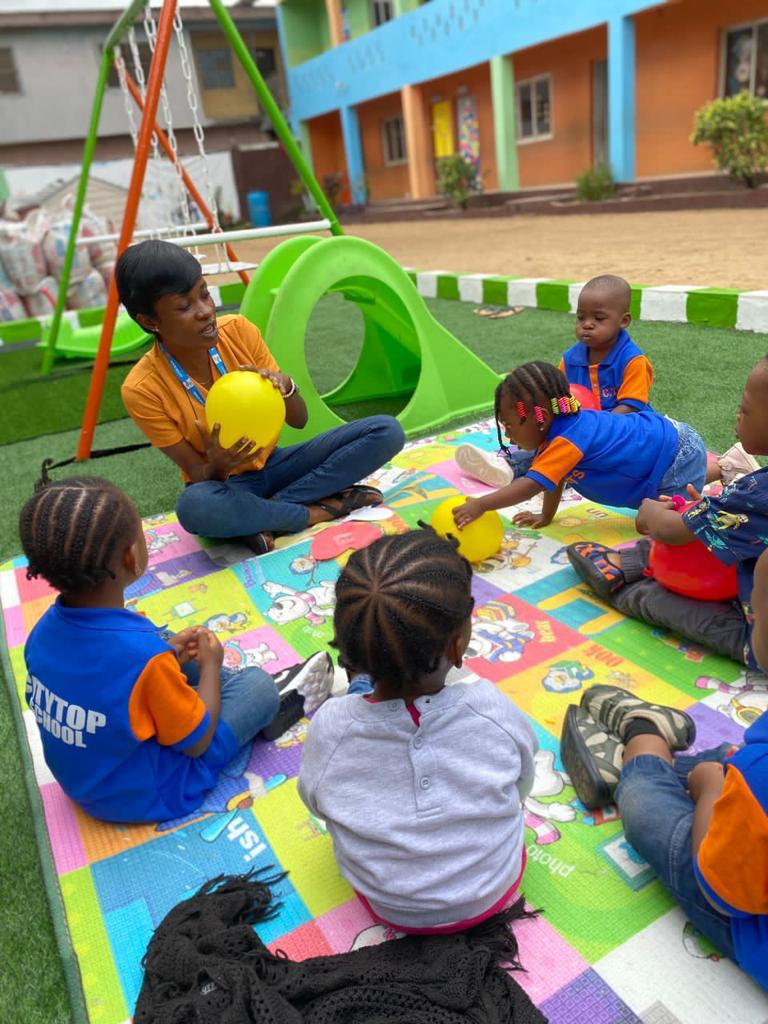
At Citytop Schools, we understand the importance of nurturing both the academic and emotional well-being of a child. While good grades matter, so does laughter, creativity, and play. The key to raising well-rounded children lies in knowing how to balance fun and studies effectively and this is where both parents and schools come in. Here’s a practical guide on how to help children enjoy their learning while still having fun. Create a Realistic Daily Routine Children thrive on structure, but too much tasks can be overwhelming. A balanced timetable helps children manage their time and expectations without burnout. A healthy routine should include: Study Time: Set aside focused time for homework and revision. Breaks: Allow short breaks between tasks to refresh the mind. Playtime: Schedule free play or fun activities as part of their daily routine. Sleep: Ensure they get enough rest to recharge for the next day. Make Learning Fun Learning doesn’t have to be boring! At Citytop Schools, we encourage: Interactive lessons using games, songs, and real-life examples. Group activities that promote teamwork and social skills. Learning through play, especially in early childhood, where imagination and academics go hand-in-hand. Parents can support this at home by using puzzles, flashcards, storytelling, and educational apps that reinforce school topics in engaging ways. Encourage Hobbies and Extracurricular Activities Children should be free to explore their talents beyond the classroom. Hobbies like art, music, dance, or sports build creativity, confidence, and coordination. At Citytop Schools, we are also focused on discovering and developing these talents in children. Help your child discover their interests. Enroll them in safe, fun, and structured extracurricular programs. Encourage them to express themselves through creative outlets. This balance builds well-rounded learners who enjoy both intellectual and creative growth. Set Clear Boundaries for Screen Time and Entertainment In today’s digital age, screens can easily take over a child’s time. To maintain balance: Limit screen time during weekdays. Monitor the content they consume. Prioritize educational programs or activities. Encourage outdoor play and physical activity. Remember, not all fun has to be digital. Sometimes, the best fun happens offline—like playing instrument, painting, or playing with friends. Children need guidance, not pressure. Be available to: Be Involved and Supportive Help with assignments without doing the work for them. Celebrate small wins, both academic and personal. Encourage open conversations about school and how they feel. A child who feels supported is more likely to stay motivated and find joy in both learning and playing. Balancing fun and studies in children isn’t about choosing one over the other—it’s about blending both into a healthy lifestyle. When we strike this balance, we help our children grow into smart, confident, and emotionally healthy individuals.At Citytop Schools, we are committed to walking this journey with every family—ensuring that learning is not only productive but also joyful. Do you want to give your child this exeperience? Register for our Summer Class.
THE IMPORTANCE OF CONSISTENCY IN LIFE
Success doesn’t come from what you do occasionally. It comes from what you do consistently.” Consistency in whatever you are doing is highly crucial. To get the expected desired result in something, consistency is key. The following are few importance of Consistency: 1. It gives meaning to your life and helps you have meaningful goals. 2. It helps you develop routine 3. It helps you build momentum 4. It forms habits that are second nature. 5. It motivates you to keep going. As you are making plans for the forthcoming year, be determined to be consistent in whatever you do.
9 THINGS YOU CAN DO TO BE CONFIDENT IN YOURSELF.
9 THINGS YOU CAN DO TO BE CONFIDENT IN YOURSELF. Being confident in yourself is the perception that you lack nothing, trusting in your ability to succeed. It is nothing more than a belief in yourself. It’s hard to be confident in yourself if you don’t believe you will do well at something. Below are things you can do to build your self confidence: Appreciate yourself. Stop comparing yourself to others. Learn to fall in love with yourself first. Appreciate your strength and weaknesses. Love your flaws. Groom yourself and dress nicely. A little shave here and a touch of makeup there can make a difference in your mood and give you that exceptional confident appearance. Always make eye contact. it is one of the quickest way to exude confidence when you meet new people. Adopt the 80/20 rule of meeting someone’s eyes 80% of the time while focusing on something else the other 20% so you don’t appear to be too intense or make the other person uncomfortable. Know your principles and live by them. knowing the principles your life are built upon will help you in your daily interaction with others and prevent you from being directionless or being wrongly influenced. Set little goals and achieve it. The more you achieve little goals the better you become at it and the better you feel. Empower yourself with knowledge. This is one of the best strategies of building self-confidence. The more knowledgeable you are, the more confident you will be in contributing to intellectual conversation. Push through self limiting beliefs and overcome self doubt. Find your limits by exposing yourself to different situations and push through the uncomfortable. Think positively to overcome negative bias. Come up with five positive thoughts to counter every one negative thought. Always smile. It gives you a sense of confidence and also helps you to be kinder to others.
HOW TO TEACH YOUR CHILDREN TO FOLLOW INSTRUCTIONS

Teaching Children how to follow instructions may seem difficult at times but it can be extremely simple. The way instructions are given are just as important as the instructions itself, so to help your children to be more compliant, here are some helpful tips to follow: Ask for their attention. Ensure they are highly focused on you before you pass the information. Minimize distractions. Reduce or take away anything that might cause distractions. This might include turning off the TV and putting away video games and toys. Speak quietly. Don’t be tempted to yell. Giving instructions in a calm, soft tone will help the child to listen and also follow willingly. Give instructions one at a time. Each child has his or her own learning pace so be sure to move at the pace of the child. Break directions and instructions down into steps and if you can’t, try to do things together in such a way that is understandable. Be more elaborate in what you say. Better results may be achievable by saying “please put your laundry away, pick up your toys from the bed and make your bed” instead of just ‘Arrange your room’.
HOW TO CREATE A POSITIVE MENTAL ATITTUDE
Positive mental attitude (PMA) is the state of the mind that envisions and expects favorable results through the willingness to try doing something new believing everything will turn out right. Eleanor Roosevelt once said “No one can make you feel inferior without your consent.” Positive mental attitude is a lot more than smiling and looking cheerful, it is more about one’s overall perspective of life and your tendency to focus on all that is good in life. There are many characteristics associated with positive mental attitude. These are: Optimism: This is hopefulness and confidence about the future or the success of something. Acceptance: Taking responsibility by learning from your mistakes, acknowledging that things don’t always turn out the way you want. Resilience: The ability to bounce back from adversity, disappointment and failure instead of giving up. Gratitude: Appreciating the good things of life. Mindfulness: Enhancing your ability to focus. Integrity: Being honorable and straight forward. Maintaining a positive mental attitude is essential for healthy living. How to create a positive mental attitude: Surround yourself with positive people who inspire, motivate and encourage you. Try as much as possible to avoid people with negativity. Never stop encouraging yourself. Speak positive thoughts out to yourself regularly. Keep telling yourself “I CAN…” Speak positively to others. Limit your complaints about others and think carefully before you speak, because words carry more power than you think. Be optimistic about all situations. Bad situations are inevitable, but good opportunities can be created out of them when you proactively try to improve such situations. Exercise regularly and maintain a healthy diet and lifestyle. This is highly important. Don’t deprive yourself of sleep and avoid eating sugary foods and junks.
Montessori in the home

By Abraham Ogunesan Ogunkanmbi. Parents can support the Montessori programme at home by engaging in the following activities with the children. Arrange bathroom facilities in a manner that is early accessible for your child… a bench for reaching the sink, washcloth, towel, toothbrush, and hairbrush. Perhaps a book or two at the child’s level. For all those “I want” request, a small pitcher of juice or water on a low shelf in the refrigerator… so you can say, “You can help yourself”. Encourage your child to organize and assist you in the household tasks … consider meaningful responsibilities your child can assume as a contribution to the family. Show your child how to organize his/her toys and personal items’ so that he/she can easily reach and use them. Consider rotating items to simplify choices and renew interest. Show your child how to clean up after working with something. Insist that one activity be put away before another is chosen. Encourage your child to set the table, even if only his/her space. Give one item at a time to place on the table. Encourage your child to dress himself/herself and promote independence. This demands patience on your part. Let your child help you clear the table after a meal, reminding him/her to carry one thing at a time with both hands. You are your child’s role model. Is your instruction positive, interesting, and stimulating? Home is your child’s first school and a continuing stimulus. Whenever you are demonstrating a task for your child, move very slowly, showing what to do step-by-step. Leisure shopping trips are of high interest to the young child. Help him/her to know your rationales for purchasing items… cost, quality and quantity